Coco Feng冯靖婉

AI Solutions & Adoption

01

About

Leads enterprise AI adoption at DLG China (digitalluxurygroup.com), from tool evaluation and pilot to training and in-house tools now in day-to-day use, and carries out early technical research for a GEO (generative engine optimization) service line.

Previously led AI tooling for script, art and music at a game studio, then moved from project management to AI engineering lead.

Founded JORAN (joran.online) to explore AI education.

8 years of study and work in Canada; fluent English, comfortable in cross-cultural teams.

Owned enterprise AI adoption and client report automation end to end, and developed the company AI governance solution with a colleague.

02

Experience

DLG China

Jun 2026 – now

AI Solutions & Adoption

Digital Luxury Group China · Shanghai, HQ in Geneva

01

Enterprise AI adoptiontool selection, pilot and training

Jun 2026 – now

Sole owner: planning, tool evaluation, rollout and teaching

  • Claude Code
Background

Leadership set a goal of company-wide AI adoption. An earlier rollout built on a single SaaS tool had stalled for nearly a year, and staff still used AI mainly as a chat window, with little effect on day-to-day productivity.

Challenges

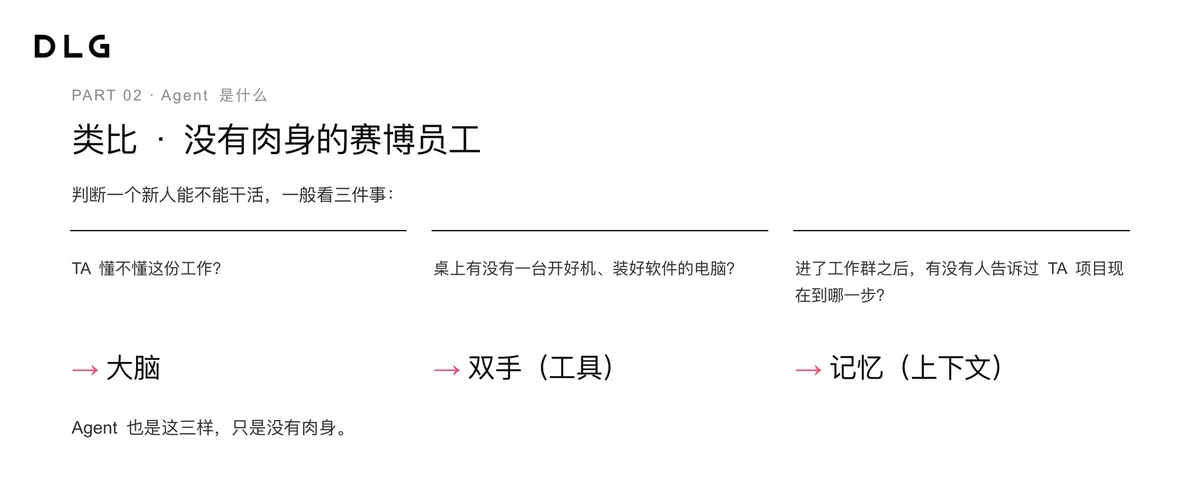
Most staff had no working concept of an agent, and motivation varied; client data security was leadership’s first concern and a precondition for any proposal.

Solution
  • Discovery: interviewed each team on current AI use and pain points, and traced the stalled rollout to that gap in understanding: people did not know what work an agent could take on.
  • Rollout strategy: replaced the top-down push of a single tool with a small pilot that produced repeatable examples, followed by a phased rollout.
  • Tool evaluation: benchmarked MaaS platforms with data security as the primary criterion, and wrote the evaluation report that leadership approved.
  • Curriculum and teaching: designed a course around real business workflows and taught every session; revised it over several rounds of pilot feedback, breaking core concepts into progressive modules and opening with polished real-world examples.
  • Usage tracking: set up LiteLLM with colleagues to issue model access centrally and track each person’s usage.
Impact

The course has reached 31 people across 12 cohorts. Agents are now part of colleagues’ daily work, and several have built their own tools; one copywriter’s tool, for example, gathers competitors’ past copy and adapts its tone for new drafts.
Enterprise AI adoption
02

Client report automationdata consolidation and report generation

Jun – Sep 2026

Sole owner: data audit, solution design, development, launch and training

  • Claude Code
  • MCP
  • BigQuery
Background

Account teams produced a monthly social media report for every client, each taking about 35 hours from data pull to revisions. A project to automate the reports had failed to ship for nearly a year.

Challenges

The company ran three databases, some built in-house and some licensed, with overlapping data but no connection between them; every client required a custom layout; and the users had no technical background.

Solution
  • Data audit: took over the project, mapped the data assets account teams rely on, identified the items that needed regular refreshes, and updated them with the data team.
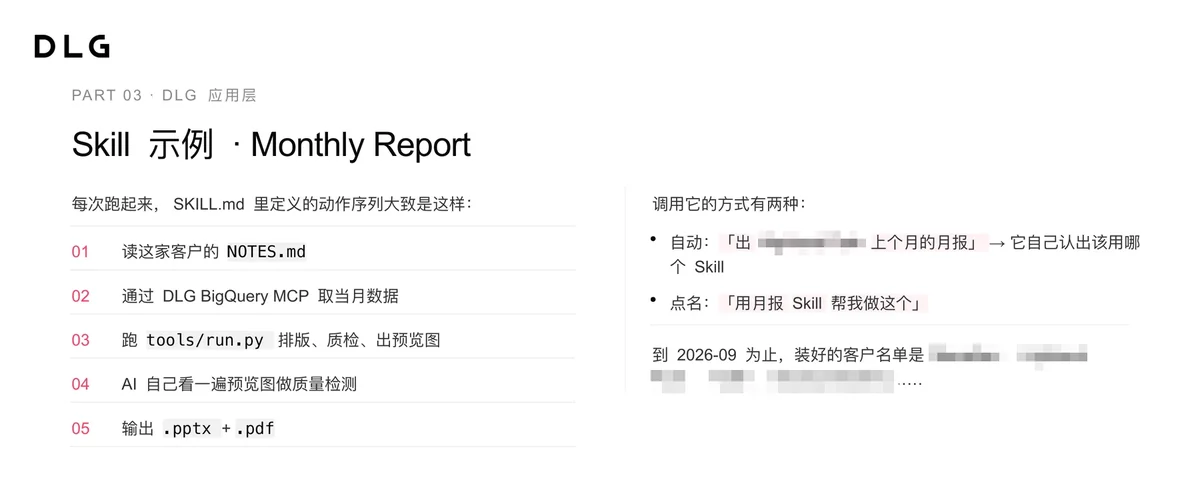
  • Development: built the tool solo with Claude Code, from kickoff to working version in two weeks; a shared engine with per-client configuration handles every custom layout, and every output is quality-checked automatically.
  • Launch and rollout: launched at the end of September, trained the full account team, coached them through adoption, and handed day-to-day use to the business.
Impact

A single instruction now produces a report, cutting each one from about 35 hours to 10–20 minutes. The tool covers more than ten clients in China and produces every current client’s monthly and quarterly reports; the three databases now sit behind one company-wide entry point.

Client report automation Client report automation
03

GEO service line researchfrom market scan to monitoring method

Jul 2026 – now

Role: early-stage technical research

Background

Generative AI is becoming a new way for people to learn about brands. DLG China began exploring a GEO service line in July 2026, aimed at making brands visible and credible in AI answers.

Solution
  • Market and academic research: mapped the offerings and pricing logic of GEO vendors in China, reviewed and organised the research literature, and compared the sources Chinese AI platforms cite.
  • Method design: designed a monitoring question bank and user personas organised by industry and decision stage, and set grading rules for the credibility of cited sources.
  • Data collection: wrote collection scripts that export each industry’s answers and cited sources from an AI-answer monitoring platform as data ready for analysis.
Impact

Provided the technical groundwork for designing the GEO service line.

04

Company AI governancefiling, retrieval and tiered access

Oct 2026 – now

Role: solution design, filing standard and skill development

  • Agent Skills
  • MCP
  • Google Drive
Background

Output from agents was not managed centrally: files went to management over WeChat with no production record; versions were scattered and could not be found months later; proposals for the same client did not always agree. In October 2026 the company decided that work would live in Google Drive, with one source of truth per client.

Challenges

Client folders had grown over the years in different layouts, and a full migration would cost more than it returned; the connector’s security rules barred the agent from uploading, moving, deleting or sharing files; contracts were visible to some colleagues only.

Solution
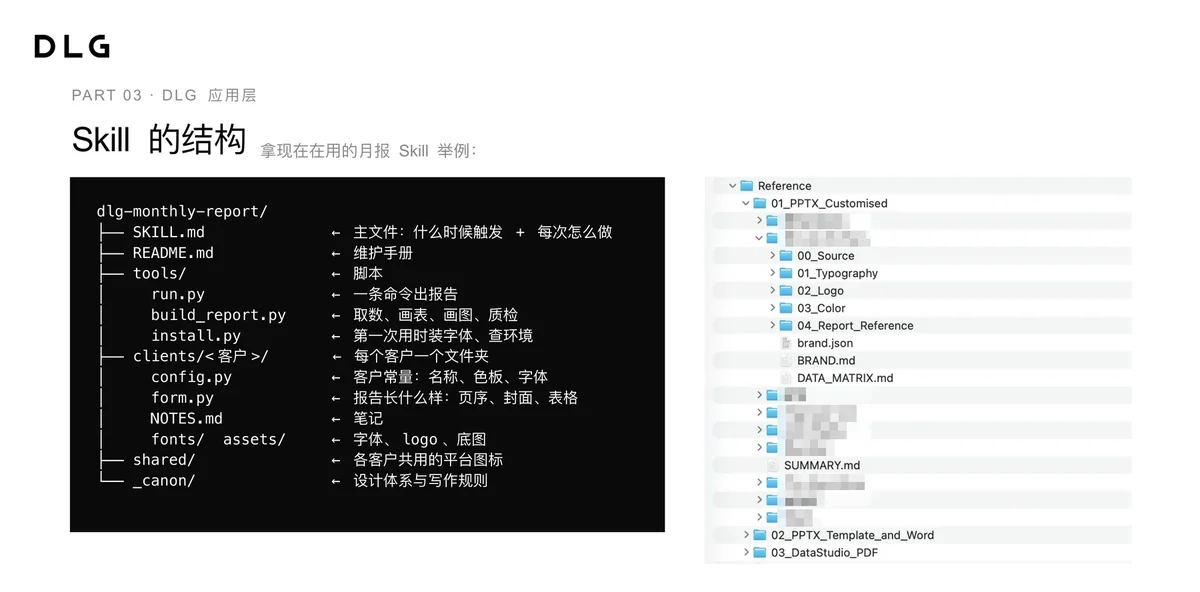
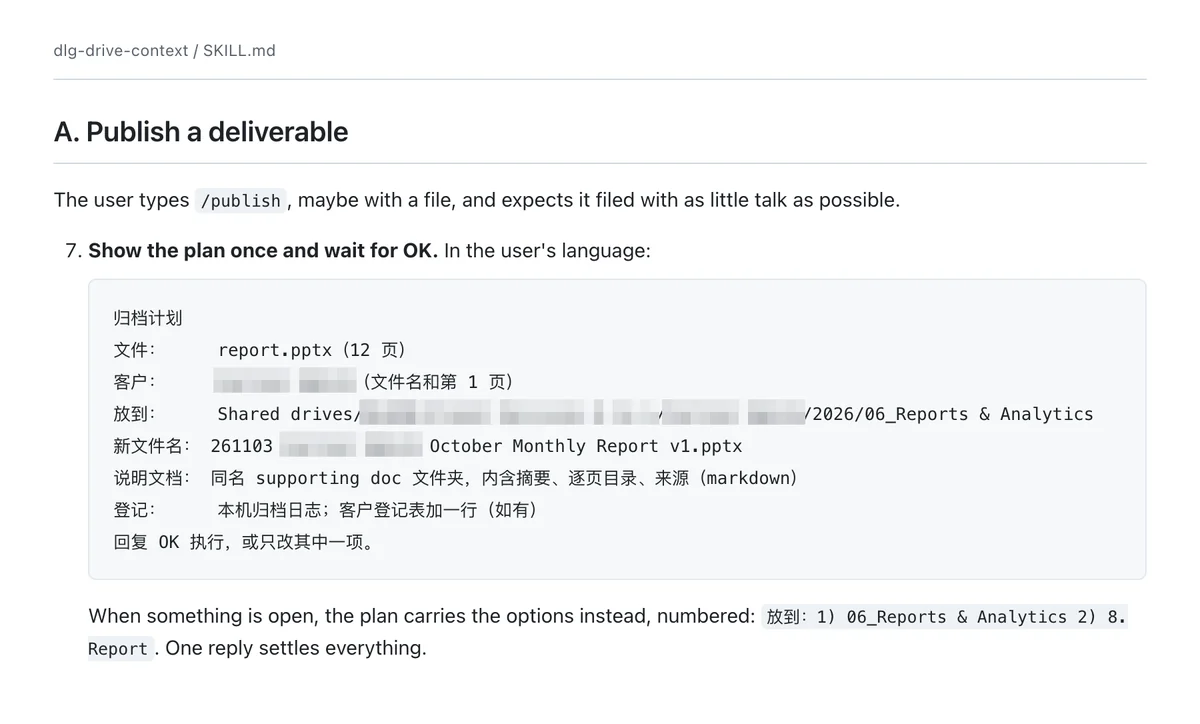
  • One-command filing: designed /publish, which a colleague types when work is done; the agent works out the client, folder and standard file name, writes a summary and page index, and files on one confirmation, listing options instead of guessing when unsure.
  • No conflicting files: set one naming and version rule; no file is overwritten silently, every copy is verified, existing files are never moved, renamed or deleted, and each client has one source of truth.
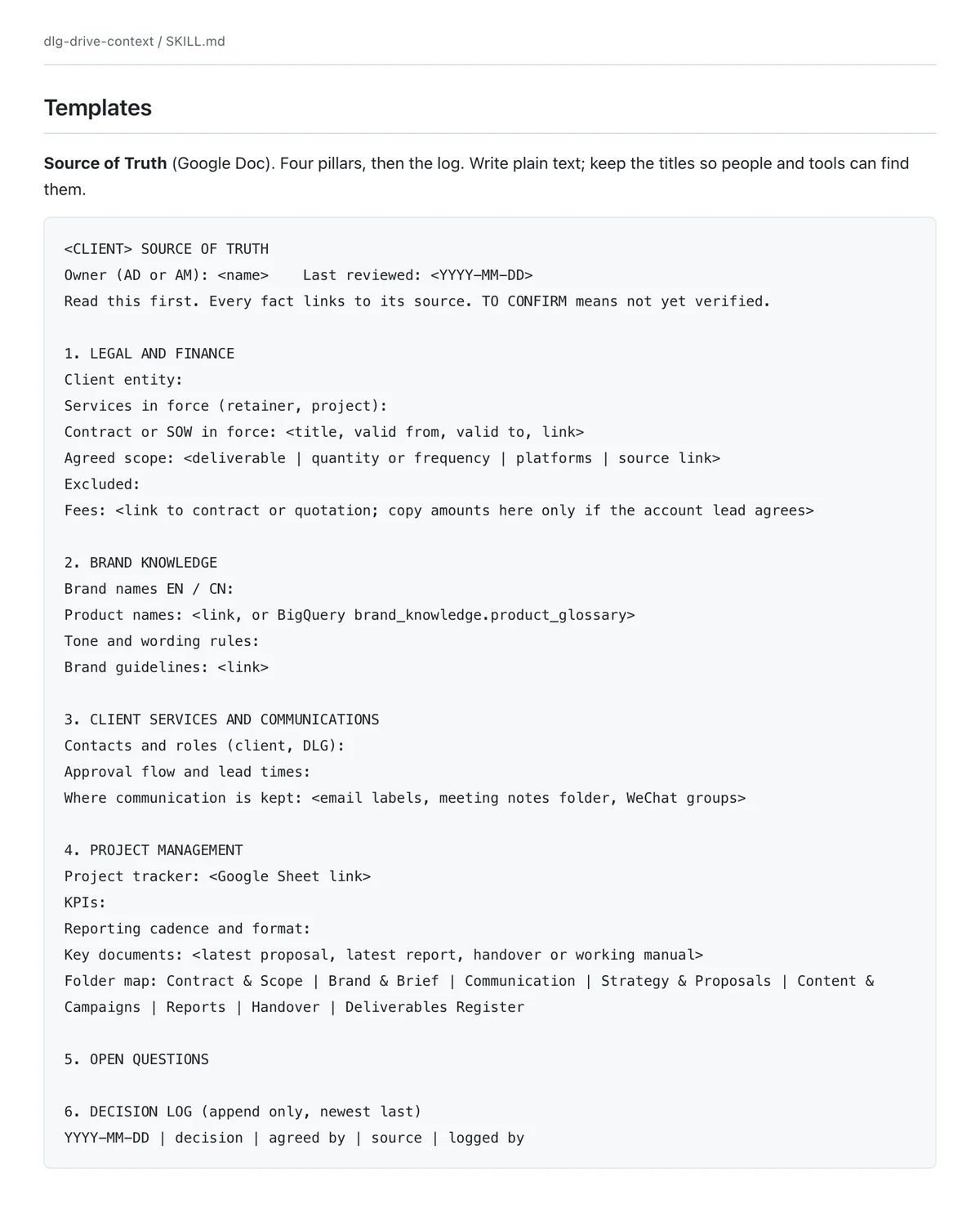
  • Tiered disclosure: designated the account lead as owner of each client’s source of truth, with others proposing changes; when a contract cannot be found the agent notes it as possibly not shared rather than absent, and never infers its terms; each task uses one client’s material; the filing record stays internal.
  • Connector and agent: built the solution with a colleague using the company’s own Google connector, writing only to company and client shared drives; the agent reads the source of truth and folder index before opening files; the skill syncs to colleagues’ computers through the connector each week.
Impact

Without the skill, an agent took 47 tool calls to find one client’s contract and quotation, opening other clients’ folders along the way; following the skill took 6 calls, all inside that client’s folder. In a read-only test on October’s monthly reports, two thirds of clients resolved to a filing folder with no question asked.

Company AI governance Company AI governance

Rejet

Mar 2025 – May 2026

Associate Producer → AI Engineering Lead → AI Tech Architecture Consultant (from Mar 2026, remote)

Rejet Co., Ltd. · Shanghai studio of a Japanese otome game company

05

AI tools for game productionscript review, CG composition and music references

Jan – May 2026

Sole owner: tool selection, requirements and PRDs, development, resourcing and rollout

  • Gemini API
  • Antigravity
Background

Otome games run on large volumes of script, CG and music. Each proofreading and risk-review pass of a million-character script took three to five writers and me two to three weeks, reading chapter by chapter, and every CG needed an approved composition draft before it could be assigned.

Challenges

The company had no AI experience to draw on, and hand-drawn art is the core asset of an otome game, so AI could only support the process.

Solution
  • Learning and building: learned agent workflows alongside project-management duties, then wrote the requirements and PRDs and built the tools.
  • Scripts: built an automated proofreading pipeline that flags risks reviewers tend to miss and lists them by scene, leaving every edit to the writers.
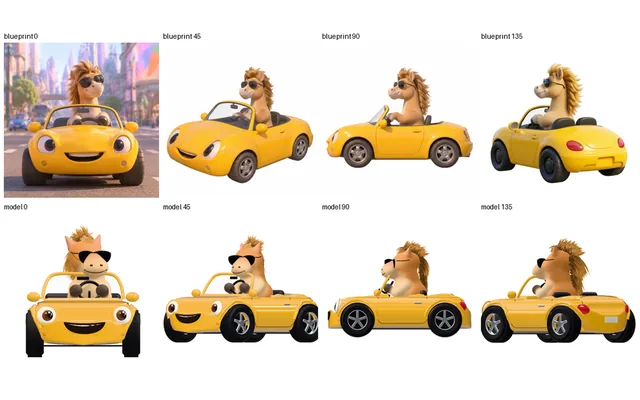
  • CG and music: batch-generated composition references from character sheets and costume art for artists to redraw, so final art stayed hand-drawn; for music, evaluated open-source models, then switched to programmatic MIDI references.
  • Securing resources: wrote the resource request with per-image cost estimates and usage controls, and obtained model accounts and access to project files.
Impact

Script review went from two to three weeks to one or two nights; CG pre-production moved from reference hunting and hand sketches to batch-generated composition references; the music references set the tonal direction for pre-production. On the strength of this work, I moved from project management to AI engineering lead.

Nov 2023 – Apr 2024

Product Designer (UI/UX)

HCM Capital

  • End-to-end design: requirements → high-fidelity Figma UI → design system
  • Design specs and PRD sections with PMs and engineers

Feb 2022 – Mar 2023

Project Coordinator & Design Lead

SKY LILAH / VVAF · Vancouver, Canada

  • Brand refresh and website rebuild, from strategy to visual execution
  • Coordinated Art Vancouver 2022: curation support and on-site execution

Education

2015 – 2020

Simon Fraser University

B.A., Interactive Arts & Technology (SIAT)

2020 – 2021

Vancouver Film School

Sound Design for Visual Media

03

Side projects

04

Bookshelf

Information in the AI era arrives fast and in fragments, which is exactly why I make room for long-form input. Since moving from interaction design into applied AI and joining DLG, I have kept feeding myself systematic knowledge outside work, the way I learned before AI. This is my reading list.

Where AI came from

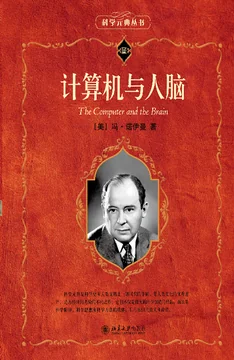
  • The Computer and the BrainJohn von NeumannLectures prepared for 1956 and left unfinished, comparing the digital computer with the nervous system.
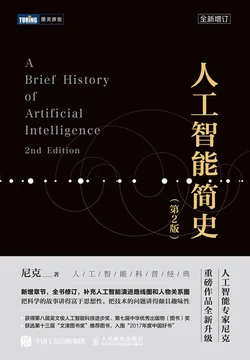
  • A Brief History of AINickAn academic history of AI from Dartmouth onwards: people, schools and arguments.
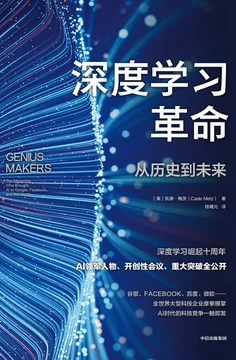
  • Genius MakersCade MetzHow deep learning went from the fringe to the mainstream, and the people and companies behind it.
  • The Worlds I SeeFei-Fei LireadingFrom young immigrant to ImageNet: how data changed computer vision.
  • Quand la machine apprendYann LeCunLeCun on the road to convolutional nets and deep learning, and his view of machine intelligence.
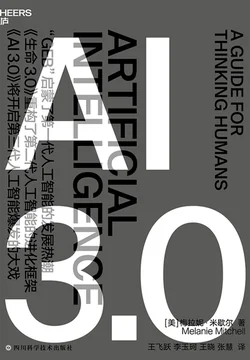
  • Artificial Intelligence: A Guide for Thinking HumansMelanie MitchellreadingWhere AI stands, for general readers: what it can do and why it still lacks common sense and analogy.
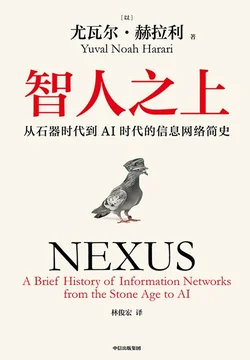
  • NexusYuval Noah HarariHuman history told as a history of information networks, up to AI.

Mind & judgment

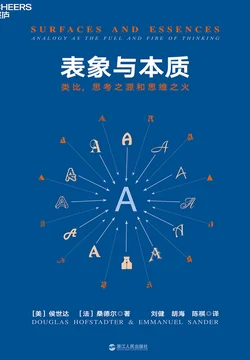
  • Surfaces and EssencesDouglas Hofstadter, Emmanuel SanderAnalogy as the core of thought.
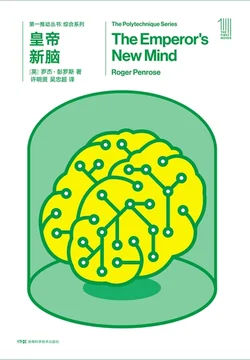
  • The Emperor's New MindRoger PenroseThe case that consciousness can't be fully captured by algorithms.
  • Thinking, Fast and SlowDaniel KahnemanreadingSystem 1 and System 2: how people judge, and where they go wrong.
  • The Undoing ProjectMichael LewisThe story of Kahneman and Tversky's partnership.
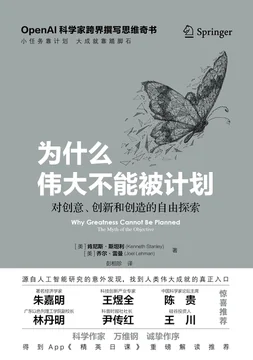
  • Why Greatness Cannot Be PlannedKenneth Stanley, Joel LehmanreadingFrom novelty-search research: chasing objectives directly often gets you less far.

Products & people

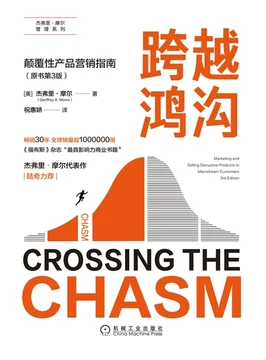
  • Crossing the ChasmGeoffrey MooreThe gap a new technology has to cross between early adopters and the mainstream.
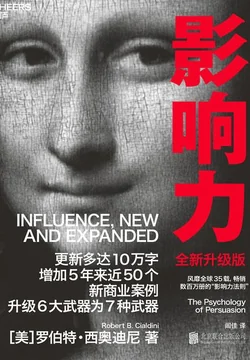
  • InfluenceRobert CialdinireadingThe psychological principles behind persuasion.
  • StoryRobert McKeereadingThe structure and principles of screenwriting.
  • AIO & GEO in PracticeZou YangfinishedHow content becomes the answer an AI recommends.

Science & philosophy

  • WorldviewsRichard DeWittreadingAn introduction to the history and philosophy of science, from Aristotle to quantum mechanics.
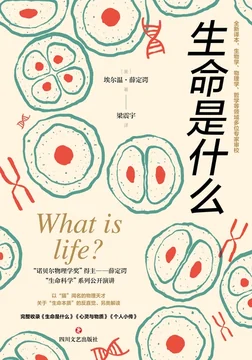
  • What Is Life?Erwin SchrödingerA physicist on life: order, negative entropy and heredity.
  • Out of ControlKevin KellyDistributed systems, swarms and the evolution of machines.

Also reading the blogs of Mu Yao, Jason Wei, Geoffrey Litt, Linus Lee, Steph Ango, Paul Graham, Michael Nielsen and Nabeel Qureshi.